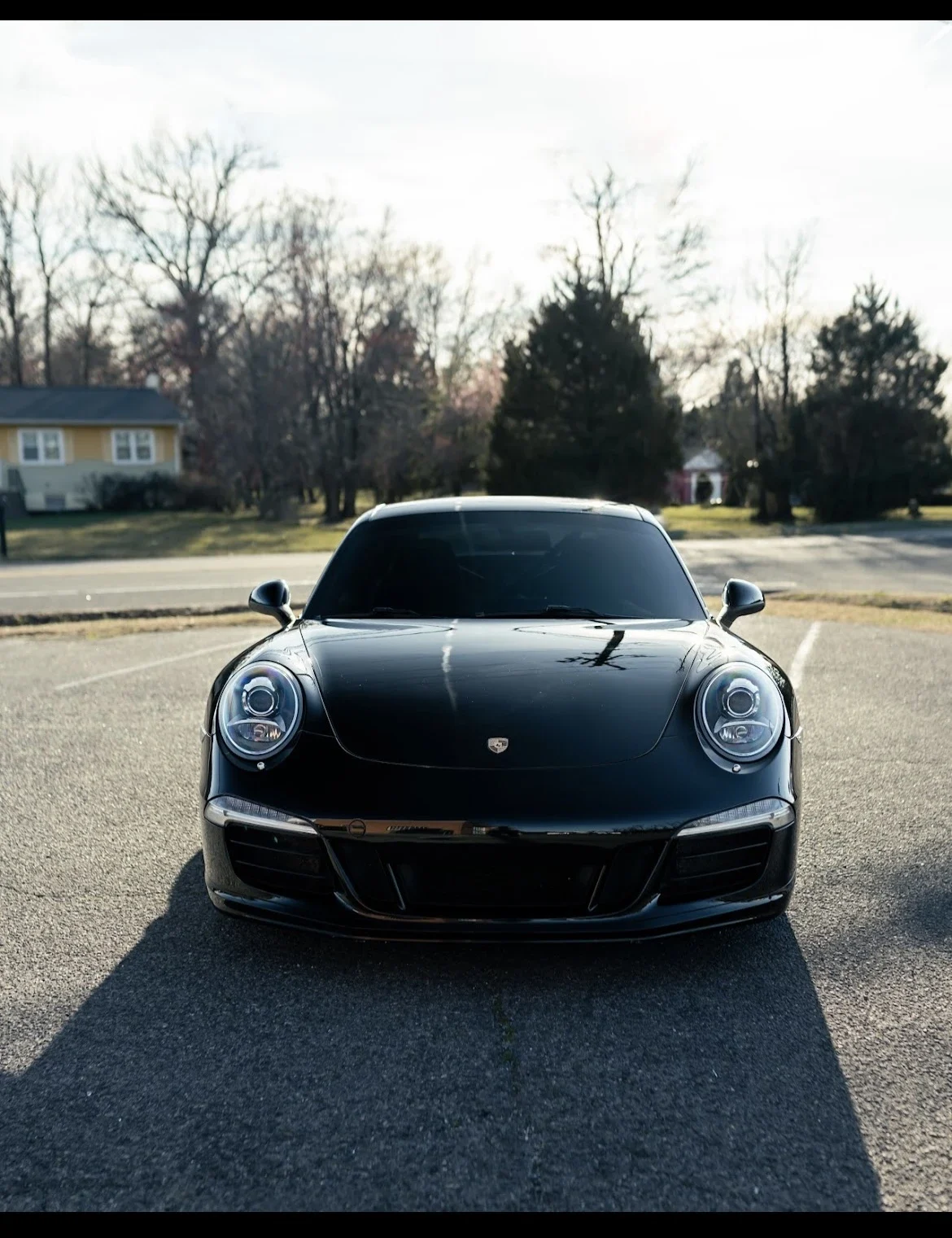
Glare from the sun can make driving uncomfortable and even dangerous, especially on bright sunny days. Window tinting provides a practical solution for minimizing this intense brightness while keeping the road clearly visible. By reducing the reflection of sunlight from dashboards and other surfaces, window films help drivers maintain focus and comfort during long commutes or daytime travel.
Premium Auto Solution has helped countless drivers experience smoother rides under harsh sunlight. With advanced auto window tinting techniques, vehicles remain cooler and interior light levels become easier on the eyes. By using quality films and professional installation, the bright sun becomes less of a distraction, allowing a safer and more relaxed driving experience.
Understanding the Science Behind Glare Reduction
How Light Reflection Affects Drivers
Glare occurs when sunlight reflects off smooth surfaces like glass, dashboards, or metallic trims. It creates temporary blindness or discomfort, forcing drivers to squint or strain their eyes. Over time, prolonged exposure to glare can lead to fatigue, headaches, and even higher accident risk. By controlling reflections, window tinting helps drivers keep their eyes relaxed and attentive to the road.
Types of Sunlight That Cause Glare
Direct sunlight and indirect reflected sunlight both contribute to glare. Morning and evening angles often produce the harshest effects because the sun is low on the horizon. Surfaces like wet roads or car hoods amplify brightness, making ordinary driving more challenging. Understanding these patterns helps in selecting the right type of tint to manage all forms of glare effectively.
How Window Tinting Films Control Excess Sunlight
Optical Layering and Light Filtering
Tint films are designed with optical layers that filter and absorb a portion of incoming sunlight. These layers reduce the intensity of bright light entering the cabin without making the interior too dark. By balancing transparency and reflection control, window films improve comfort and ensure visibility is not compromised during critical driving moments.
Why Heat-Reflective Films Reduce Brightness
Heat-reflective films not only block solar heat but also limit glare caused by high-intensity sunlight. They bounce back a significant portion of infrared and visible light, preventing excessive brightness inside the car. Drivers feel cooler and can focus on the road without squinting or adjusting sun visors constantly.
Comparing Film Types for Effective Glare Reduction
Ceramic Window Films and Their Benefits
Ceramic films offer premium glare reduction by filtering both visible and infrared light efficiently. Unlike standard dyed films, they do not fade over time and maintain consistent performance. Ceramic technology minimizes reflections from the sun and prevents hotspots on dashboards and seats, making them ideal for drivers who spend long hours on the road.
Dyed and Carbon Films for Moderate Glare Control
Dyed and carbon films provide moderate glare control at a more affordable price point. While they may not block heat as effectively as ceramic films, they still reduce brightness from direct sunlight and reflections. Carbon films are especially durable, maintaining their appearance and glare control performance for years without fading.
The Role of UV and Infrared Blocking in Glare Reduction
How UV Protection Supports Comfortable Driving
UV rays contribute to glare and can make interiors uncomfortable. By blocking almost all ultraviolet radiation, window films protect passengers from harmful sun exposure while reducing brightness levels inside the cabin. UV-blocking films also prevent interior materials from fading and deteriorating over time.
Infrared Blocking and Its Impact on Bright Conditions
Infrared rays are a primary source of heat and contribute to interior brightness. Films designed to block IR radiation reduce both glare and heat accumulation, creating a more comfortable driving environment. This is particularly important in vehicles parked under direct sunlight for extended periods.
How Proper Tint Installation Improves Glare Control
Avoiding Bubbles and Wrinkles That Distort Light
Improper installation can cause air bubbles or wrinkles, which amplify glare rather than reduce it. Skilled professionals ensure smooth, flawless application, allowing the film to function as intended. Even small imperfections can create hotspots or visual distractions that compromise driving safety.
Ensuring Even Coverage Across All Windows
Uniform coverage on all windows is critical to controlling glare from every angle. Professional installation guarantees the film aligns perfectly, giving drivers consistent glare reduction and comfort regardless of sun direction or time of day.
Choosing the Right Tint Level for Daily Driving
Balancing Visibility and Privacy
Selecting the proper tint level is key to maintaining visibility while reducing glare. Medium shades are often ideal, letting in enough light to see clearly while softening harsh sunlight. Finding the right balance ensures drivers stay comfortable without compromising safety.
Understanding Legal Tint Limits
Every state or country has laws regulating how dark window tinting can be. Compliance ensures drivers avoid penalties while still benefiting from glare reduction. Awareness of these limits is essential for safety and legal peace of mind.
Maintaining Your Window Tint for Optimal Glare Reduction
Cleaning and Care Tips
Regular cleaning using gentle, non-abrasive solutions preserves the optical clarity of your window film. Avoid harsh chemicals or rough materials that could scratch the surface. Proper maintenance keeps glare reduction performance at its peak over time.
Avoiding Scratches That Affect Light Management
Even minor scratches or chips can distort light and reduce glare control. Protecting your windows from sharp objects and following professional care recommendations ensures the film continues to function effectively for years.
Conclusion
Window tinting is a proven solution for reducing glare during bright sunny days, improving driver comfort, and enhancing safety. Premium Auto Solution delivers expertly installed Car window tinting that balances heat reduction, glare control, and visual clarity. Whether using ceramic, carbon, or dyed films, the right choice ensures a relaxed, focused driving experience while keeping interiors cooler and glare-free. Visiting a trusted window tinting shop guarantees professional application and long-lasting benefits for everyday commuting.
FAQs
Does window tinting really reduce glare effectively?
Yes, quality films filter sunlight and reflections, reducing glare significantly. Drivers experience less eye strain and better comfort during bright days.
Are ceramic films better than dyed films for glare?
Ceramic films generally provide superior glare reduction and heat control. Dyed films are effective for moderate glare but may fade over time.
Can tinting affect visibility at night?
Properly selected films maintain clear visibility at night while reducing daytime glare. Choosing medium to high transparency films ensures safe nighttime driving.
How often should tinted windows be cleaned for glare control?
Regular cleaning with non-abrasive solutions is recommended. This preserves clarity and prevents scratches that could interfere with glare reduction.
Is professional installation necessary for glare reduction?
Yes, professional installation ensures even application and eliminates bubbles or wrinkles. This allows the film to work optimally and provide consistent glare reduction.